The case for a ryokan two night stay kaiseki dinner
A serious ryokan stay in Japan begins when you commit to two nights, not one. The first night’s kaiseki dinner is the greeting, while the second night is the quiet test of whether the kitchen has true range or only a single polished script. For a couple planning a romantic trip, that second evening is when the ryokan experience shifts from charming performance to something more intimate and revealing.
In a traditional Japanese onsen ryokan, the unwritten kaiseki contract is simple ; no dish may repeat across consecutive nights. That means the chef will design two separate arcs of dishes, each dinner served in your room or a private dining salon, with different fish, different broths and different textures across both nights. When you stay ryokan style for only one night, you see the highlight reel ; with two ryokan nights, you watch the full film and understand how the kitchen thinks about season, region and time.
Consider a Japanese ryokan in an onsen town such as Kinosaki Onsen, where snow crab defines the cold season and hot spring steam hangs over the canal. On night one, your kaiseki dinner might feature snow crab sashimi, a grilled leg and a delicate crab chawanmushi, each dish served in measured sequence by a nakai who reads your pace. On night two of a ryokan two night stay kaiseki dinner, the same ingredient may disappear entirely, replaced by river fish, mountain vegetables and charcoal grilled dishes that show the chef’s confidence beyond the obvious regional food story.
How the second kaiseki dinner rewrites the menu
The most accomplished kitchens in Japanese ryokan properties treat the second kaiseki dinner as a new chapter, not a variation. By the time your second night arrives, the staff will have quietly noted what you finished, which dishes you left and how adventurous your palate seems. That information shapes a ryokan dinner that feels tailored, not templated, and it is where a ryokan two night stay kaiseki dinner earns its premium.
On night one, many onsen ryokan chefs lean into classic traditional Japanese structure ; a sequence of seasonal dishes, a clear soup, sashimi, a grilled course, a simmered course, rice and pickles, then a restrained dessert. Night two often loosens the collar, with more personal touches, bolder seasoning or a playful reworking of regional food, especially in areas famed for seafood such as Kinosaki or the crab rich coasts of the Sea of Japan. For a deeper look at how regions shape the ryokan plate, study this guide to how local ingredients define kaiseki dishes before you book.
In practice, that might mean your first ryokan dinner features snow crab in almost every course, while the second evening shifts to charcoal grilled nodoguro, lightly smoked duck or mountain vegetables gathered from nearby slopes. The same rule applies to breakfast ; a second morning often brings more focused regional dishes, from miso enriched with local citrus to grilled fish that never appears in city hotels. When you compare this to a city hotel stay, where breakfast and dinner breakfast buffets repeat daily, the value of a carefully planned ryokan two night stay kaiseki dinner becomes obvious.
The nakai, the room and the rhythm of two nights
Service is where a ryokan stay quietly outperforms any polished city hotel, and that difference only fully emerges on night two. Your nakai, the attendant who manages your room, meals and often your private onsen schedule, needs time to read you. By the second evening of a ryokan two night stay kaiseki dinner, the choreography between kitchen, onsen and futon ceremony feels almost telepathic.
During the first night, the staff will watch how early you like to bathe, whether you linger in the hot spring or prefer a quick onsen before dinner, and how much sake you order with your kaiseki. On the second night, the same équipe adjusts the pace of dishes served, times your onsen so you arrive at the table flushed but not exhausted, and anticipates whether you want conversation or silence with your meals. This is hospitality that no city hotels format can replicate, because it depends on continuity, not turnover.
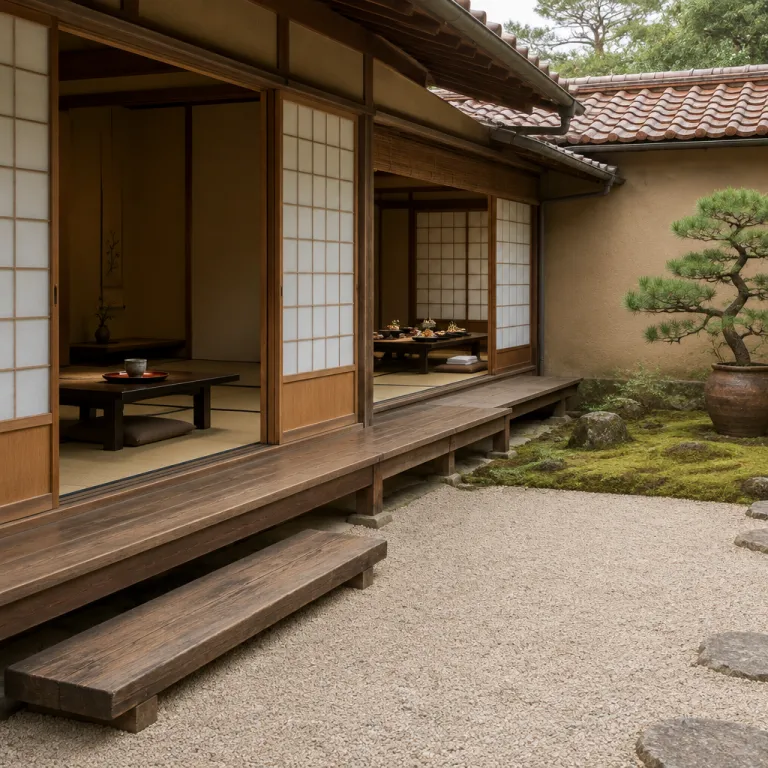
The room itself also changes character over two ryokan nights, especially in an ocean view or river facing Japanese ryokan where light and weather shift the mood. On the first evening, you are still decoding how the shoji screens, tatami and futon work together ; by the second, the space feels like a temporary home, and the ryokan experience deepens. If you are weighing a premium ocean facing property, this guide to elegant seaside ryokan stays can help you decide where a two night arc makes the most sense.
Onsen towns, private baths and the luxury of unhurried time
Choosing an onsen town for a ryokan stay is not only about the hot spring water ; it is about how the rhythm of bathing and dining interlocks across two nights. In classic onsen towns such as Kinosaki, guests wander in yukata between public baths, then return for a carefully timed kaiseki dinner that respects both appetite and fatigue. When you compress that into a single night, the schedule can feel rushed, but a ryokan two night stay kaiseki dinner allows the entire trip to breathe.
On the first evening, many couples arrive from a city hotel in Osaka or Kyoto, slightly jet lagged and still carrying urban tempo in their shoulders. The staff will often suggest an early soak in the hot spring, followed by a slightly earlier dinner so you can sleep deeply on your futon and reset. By the second night, your body has adjusted to the slower pace of onsen towns, and the kaiseki dinner becomes less about refuelling and more about tasting how the region expresses itself through a sequence of dishes.
If you book a room with a private onsen, the luxury multiplies over two nights, because you can align bathing precisely with each meal. Many couples use the first night to experiment with timings, then refine the pattern on night two so that the last dish served arrives just as the steam from the bath begins to fade. For more detail on how to choose and book refined hot spring suites, consult this guide to private onsen in Japan for spa focused stays before finalising your reservation.
Value, cost and how to book for a second night that matters
The financial question is blunt ; is the second night of a ryokan stay worth the incremental spend compared with a night in a city hotel ? When the kitchen takes the kaiseki contract seriously, the answer is almost always yes, because the second dinner alone can feel like a separate restaurant level experience. The key is to choose a Japanese ryokan where the chef explicitly plans for multi night menus and where the reservation team understands that you care about food, not just onsen access.
When you book, state clearly that you are planning a ryokan two night stay kaiseki dinner and ask how the menus will differ between nights. A serious onsen ryokan will respond with specifics about seasonal fish, regional vegetables and signature dishes that appear only on the second evening, while a less ambitious property may simply promise that no dishes repeat. If the answers sound vague, consider reallocating budget from city hotels to a more focused ryokan experience, even if it means shortening the overall trip by a night.
Remember that meals at a high level Japanese kaiseki property are not add ons ; they are the core of the stay ryokan contract, especially when dinner breakfast combinations are included in the rate. A well planned itinerary might pair two ryokan nights in Kinosaki Onsen, with snow crab centred menus, followed by a simpler city hotel stay where you eat out in local izakaya. Over time, experienced travellers learn that the most memorable dishes served on any trip to Japan often come from that second, quieter night when the ryokan kitchen finally shows its hand.
FAQ
Is a ryokan two night stay kaiseki dinner really better than one night ?
Yes, because most serious kitchens design their menus as a two night arc, with no repeated dishes and a clear progression in ambition. The first kaiseki dinner introduces the region and the chef’s style, while the second night allows for more personal, sometimes bolder cooking. If food is a priority, the second evening is where the ryokan experience justifies its premium over a standard city hotel stay.
How should I plan my onsen schedule around two kaiseki dinners ?
Plan one long soak in the hot spring about an hour before dinner on each night, then adjust based on how your body responds. Many guests prefer a shorter onsen before the second kaiseki dinner so they arrive at the table relaxed but alert for the sequence of dishes. Your nakai and the staff will help you fine tune timings once they see your pace on the first evening.
What should I ask before booking a two night ryokan stay focused on food ?
Ask whether the property offers distinct kaiseki menus for consecutive nights and how the dishes differ between them. Clarify whether snow crab or other seasonal specialties appear on both evenings or only one, and whether breakfast also changes on the second morning. A detailed answer signals a kitchen that takes the ryokan two night stay kaiseki dinner seriously.
Are onsen towns like Kinosaki better for multi night stays than cities ?
Onsen towns such as Kinosaki Onsen are ideal for two night ryokan stays because the entire environment is built around bathing, walking and unhurried meals. In a dense city, you may feel pressure to sightsee between every breakfast and dinner, which can dilute the impact of a carefully paced kaiseki sequence. In a compact hot spring town, the rhythm of onsen, room and food naturally supports a slower, more immersive two night arc.
Can I combine a ryokan stay with city hotels on the same trip to Japan ?
Combining two ryokan nights with several nights in city hotels is often the most balanced way to structure a trip. Use the ryokan segment for deep rest, onsen bathing and focused kaiseki dinners, then shift to a city hotel for museums, shopping and casual food. This contrast highlights the strengths of each style and makes the ryokan experience feel even more special.