From spectator to student: what a ryokan cultural workshop experience in Japan really is
A serious ryokan cultural workshop experience in Japan begins the moment you stop watching and start doing. When a tea master adjusts your wrist over the chawan, the experience includes the quiet correction, the shared breath, and the sense that your ordinary experience of tea has been gently rewritten. This is where a couple moves from passive contents on a screen to a living knowledge experience that will stay with the rest of your life.
Many people arrive with work experience in busy cities and a head full of everyday language about mindfulness, yet they quickly learn that emotional intelligence in a tatami room means reading silences, not slides. A refined ryokan understands the experience economy and curates small group sessions where each experience person can learn at their own pace, often with discreet english support through bilingual staff or printed content. The best properties think like a university press, treating each workshop as carefully edited knowledge rather than entertainment, and that thinking shows in every gesture.
For couples, the most meaningful experiences are rarely the most theatrical ones, because meaning experience in Japan tends to hide in small, precise things. A good example is a calligraphy class where you grind ink in near silence, guided by an experienced teacher who cares less about the final word on the paper and more about how you breathe while you write. In that setting, the ryokan cultural workshop experience in Japan becomes a form of audio experience too, from the brush on washi to the kettle’s low rumble, and you learn to add these subtle sounds to your private archive of things experience that you will not forget or feel the same way about again.
Tea, kaiseki, and the quiet curriculum of taste
When a ryokan treats its kitchen as a classroom, every kaiseki course becomes a structured experience rather than a decorative parade. A thoughtful chef will explain in clear english how the rice in your bowl connects to a spring planting workshop or an autumn harvest visit, turning dinner into a knowledge experience that links field, fire, and plate. This is where relevant experience for curious travelers begins, because the experience includes the story of the farmer, the soil, and the season, not just the flavor.
Some properties now pair tea ceremony sessions with guided tastings that feel closer to a university seminar than a show, and this is where you should look for serious content rather than staged contents. You might sit with four or five people while an experienced host walks you through different matcha grades, using everyday language but drawing on deep skill, and you learn how temperature, whisking, and water quality change the meaning experience of each bowl. For couples used to business travel, this kind of ryokan cultural workshop experience in Japan can feel like a reset for the rest of your life, because it slows your thinking and teaches you to meet experience with more attention.
Before you book, read how properties frame their cultural programmes and ask specific questions about what you will actually learn, not just what you will watch. A serious inn will describe, for example, how guests grind their own tea or plate a small dish under supervision, while a weaker programme often doesn’t go beyond an audio experience or a quick photo opportunity. For more depth on how to choose properties that teach you something rather than just host you, study this guide on where to find a ryokan that teaches you something, then compare that advice with the customer experience promises on each booking page.
Sake at the source: breweries, tastings, and the experience economy
When a ryokan partners with a local sake brewery, the result can be a ryokan cultural workshop experience in Japan that feels closer to field research than to a tasting flight. You might walk ten minutes through a small town to a kura where the toji, the brewmaster, shares decades of work experience in a few careful sentences while you stand among cedar tanks. In that moment, the experience includes the cool air, the faint audio of dripping water, and the knowledge that this is not a set built for tourists but a working business that happens to welcome guests.
Couples should look for programmes that go beyond simple drinking sessions and instead frame sake as a knowledge experience, with clear explanations in english about rice polishing ratios, yeast strains, and regional styles. A strong example is a workshop where you taste unpasteurized namazake alongside aged bottles, guided by an experienced staff member who uses everyday language but also adds technical content for those who want it. This kind of customer experience respects your intelligence and treats you as a student, not just a wallet, which is exactly how the best properties interpret the experience economy.
Pricing varies widely, so ask whether the experience will be included in your stay or charged as a separate activity, and what, precisely, that fee covers. Some inns bundle a brewery visit, guided tasting, and paired kaiseki dinner, while others only offer a short tour and a quick pour, which doesn’t justify a steep premium. For a deeper look at when cultural programming genuinely earns the extra night, read this analysis of cultural programming that earns the extra night and then apply that thinking to each sake related offer you consider.
Swords, metalwork, and the edge of participation
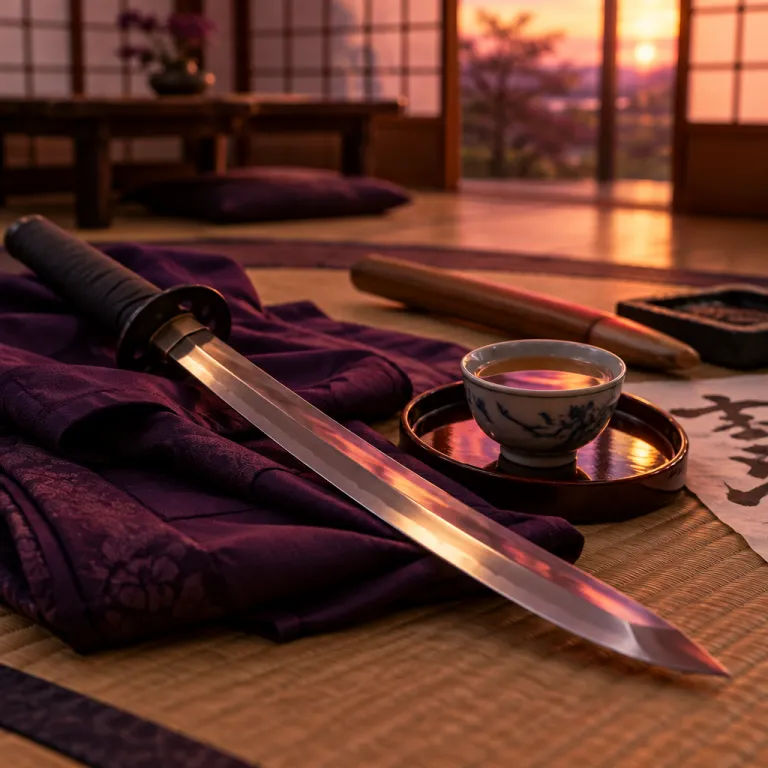
Metalwork workshops linked to ryokans, especially in regions like Kyushu and the Takachiho area, sit at the sharpest edge of the ryokan cultural workshop experience in Japan. Here, you are not just watching a swordsmith hammer tamahagane steel ; you are standing close enough to feel the heat, to hear the audio of each strike, and to sense how many years of work experience sit behind every controlled blow. For safety reasons you will not forge your own blade, but the experience includes handling tools, shaping small metal objects, or assisting with non dangerous steps under experienced supervision.
These sessions work best when the smith or interpreter can offer clear english explanations without flattening the meaning experience into clichés about samurai and warriors. A serious artisan will talk instead about carbon content, quenching techniques, and the business reality of maintaining a forge today, which adds a layer of knowledge experience that many people do not expect. You leave not only with a deeper respect for the craft but also with a new way of thinking about how objects in your rest life carry invisible histories of heat, risk, and skill.
Because this is a high risk environment, you may sometimes feel like you are waiting permission to move or speak, and that tension is part of the emotional intelligence training that such experiences quietly deliver. You learn to read the room, to meet experience with humility, and to accept that not every desire to participate can or should be granted. When a ryokan curates this kind of programme well, the customer experience feels rigorous rather than theatrical, and the ryokan cultural workshop experience in Japan becomes a rare example of tourism that respects both people and craft.
Fields, kilns, and the art of choosing the right workshop
Some of the most memorable aspects of a ryokan cultural workshop experience in Japan happen far from the tatami room, in rice paddies, wasabi fields, or mountain forests. Planting rice in ankle deep water or joining a mushroom foraging walk turns abstract contents on a menu into tangible things experience, because you now know exactly where that glossy grain or earthy broth began. For couples used to urban business travel, this shift from screen to soil can feel like a new chapter in the rest of your life.
Pottery and textile workshops, whether in Arita, Kutani, or an indigo dyeing studio, offer a different kind of knowledge experience that rewards patience and fine motor skill. You might sit at a wheel while an experienced potter guides your hands, or stir a dye vat while listening to the quiet audio of cloth moving through liquid, and in both cases the experience includes failure as much as success. In everyday language, you learn that not everything you touch will become beautiful, yet that imperfect bowl or uneven scarf may carry more meaning experience than any flawless souvenir.
When evaluating options on a premium booking platform, read the content carefully and look for clear descriptions of what you will do, how long each session lasts, and how many people join. A reliable listing will add details about english support, materials, and whether the price includes shipping finished pieces home, which all shape the overall customer experience. For a more technical look at how to interpret onsen and water quality information before or after your workshop filled day, this guide to reading the onsen analysis card shows how careful knowledge can elevate even the quietest soak.
How to read listings, manage expectations, and learn without performance
Choosing the right ryokan cultural workshop experience in Japan on a luxury booking site requires the same critical reading you might apply to a university course catalogue. Look for content that explains what the experience includes in concrete terms, such as grinding tea, planting seedlings, or shaping clay, rather than vague promises about culture and tradition. When a listing leans too heavily on dramatic audio or visual language but doesn’t specify what you will actually learn, that often doesn’t signal a strong knowledge experience.
In this context, you are not just buying experiences ; you are investing in how you will learn experience and carry that learning into the rest of your life. A good programme respects that people arrive with different levels of relevant experience and emotional intelligence, and it offers options for both quiet participation and more structured teaching in english. Think of the best ryokans as small universities without the bureaucracy, where each artisan or host is an experienced lecturer and each workshop is a carefully edited chapter in a book that a university press might be proud to publish.
As you compare options, pay attention to reviews that describe how guests felt during and after the activity, because that is where the true meaning experience often appears in everyday language. You want to meet experience that changes how you see things, not just add another line to your travel résumé, and you should not forget or feel rushed into activities that do not suit your pace. In the end, the most valuable ryokan cultural workshop experience in Japan is the one that quietly rewrites your ordinary experience of food, craft, and time, leaving you with skills, stories, and a calmer way of thinking that will travel with you long after you check out.
FAQ: booking ryokan cultural workshops in Japan
How can I tell if a ryokan workshop is authentic or just a show ?
Authentic programmes describe specific actions you will take, such as grinding matcha, planting rice, or shaping clay, rather than only promising performances to watch. Look for small group sizes, named artisans or breweries, and clear timing details, which usually indicate a serious knowledge experience. Reviews that mention learning, practice, and correction are more valuable than those that only mention photos or costumes.
Do I need to speak Japanese to enjoy a ryokan cultural workshop experience in Japan ?
Many premium ryokans now provide english support through bilingual staff, printed guides, or simple translation tools. For hands on activities, demonstration and gentle physical guidance often matter more than complex language, so you can still learn effectively with limited vocabulary. If language is a concern, confirm in advance how instructions are given and whether any audio or written materials are available in english.
Which cultural workshops are best for couples on a romantic stay ?
Tea ceremony, sake tasting with food pairing, pottery, and private farm visits tend to work well for couples, because they encourage shared focus without high pressure performance. Activities that involve quiet collaboration, such as arranging flowers or preparing a small dish together, often deepen connection more than crowded group tours. When browsing listings, prioritize experiences that limit group size and allow time for reflection afterward, perhaps in a private onsen or lounge.
Are cultural workshops usually included in the room rate, or do they cost extra ?
Policies vary widely, but many luxury ryokans include at least one short cultural activity in the room rate and charge extra for more intensive workshops. High involvement sessions with artisans, brewers, or farmers often carry a separate fee that reflects materials, time, and transport. Always ask what the price includes, how long the session lasts, and whether you keep or ship any items you make.
How far in advance should I book popular workshops like sake visits or swordsmith sessions ?
Small scale experiences with breweries, farms, or metalworkers often have limited capacity and may run only on certain days. For peak seasons and remote regions, it is wise to request reservations at the same time you book your room, especially if your travel dates are fixed. Confirm timing, transport, and cancellation terms in writing so your overall customer experience remains smooth even if plans change.