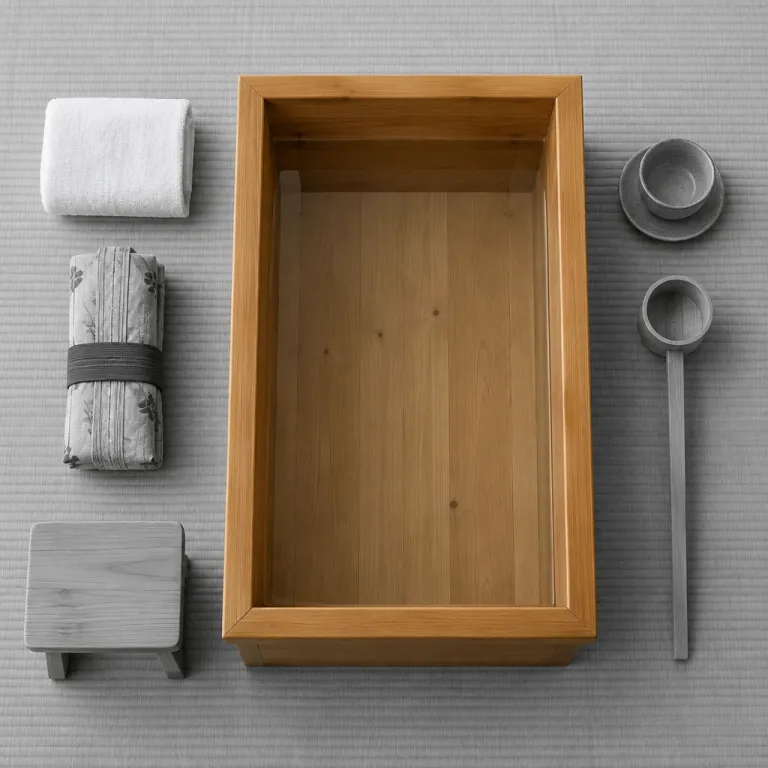
Why a private bath onsen in Kyoto defines modern quiet luxury
A private bath onsen in Kyoto turns a simple stay into a deeply personal wellness retreat. In a city where every temple, garden, and traditional inn whispers history, having your own hot spring style bath connects you to that heritage in a calm, tactile way. For guests who value silence, control, and space, this kind of private bathing experience often feels more restorative than any large shared spring baths.
When you book a ryokan in Kyoto with a private hot spring style bath, you gain the freedom to soak at your own rhythm, without watching the clock or adjusting to other guests. Many properties now design their rooms so that the private baths sit beside a small garden, creating a seamless transition between indoor comfort and open air serenity. This blend of Japanese style architecture, natural materials, and carefully controlled water temperature is what elevates a simple wash into a full spa ritual.
Luxury booking platforms focused on Kyoto stays help you filter specifically for private onsen facilities, open air tubs, and in room spring baths, so you do not need to guess from vague photos. On most sites, you can narrow results using filters such as “private onsen,” “open air bath,” or “in room hot spring bath,” then refine further by meal plan and budget range. For travelers arriving via Kyoto Station, this level of detail makes it easier to choose between a central hotel with a compact private bath and a more secluded ryokan with larger open air baths and a slower pace.
Spa and wellness rituals in Kyoto ryokans with private open air baths
In the best traditional inns Kyoto offers, spa and wellness are not add ons but the core of the stay, and a private bath onsen in Kyoto becomes the stage for these rituals. Many Japanese style properties now pair private onsen baths with in room aromatherapy, low lighting, and curated tea selections, so the transition from hot spring soaking to rest feels effortless. When you book room categories that include open air tubs, you often gain access to tailored massage menus and seasonal wellness programs as well.
Some Kyoto ryokan addresses, such as Nazuna Kyoto or Ryokan Yachiyo, design their rooms around the bath itself, with sliding doors that open directly from futon area to open air terrace. These Japanese rooms typically combine tatami mats, shoji screens, and modern air conditioning, allowing guests to enjoy the cool night air while the water in the outdoor baths stays perfectly warm. A luxury focused booking website will highlight which inns offer breakfast and dinner kaiseki served in the room after your soak, turning the private onsen time into the centerpiece of a full evening ritual.
If you are planning a stay built around spa experiences and curated bathing, it is worth reading in depth guides on the quiet luxury of a ryokan with a private bath and curated spa rituals at specialist ryokan wellness resources. These explain how different Kyoto properties schedule spring baths, alternate men and women in shared areas, and manage private reservations for couples or families. With this knowledge, you can check each listing carefully, compare rooms that feature indoor stone baths versus open air wooden tubs, and then book the exact combination of privacy, service, and Japanese style ambiance that matches your wellness priorities.
How to read luxury ryokan listings when you want a private onsen
Booking platforms for Kyoto onsen stays can feel overwhelming, especially when every ryokan claims to offer serene rooms and traditional style hospitality. To secure a true private bath onsen in Kyoto, you need to read beyond the headline and examine the room descriptions, floor plans, and bathing notes with care. Start by checking whether the listing clearly states an in room private onsen or only mentions access to shared spring baths in the main bathing area.
Look for phrases such as open air bath attached to room, cypress tub with hot spring water, or kashikiri style private baths that can be reserved by time slot. Luxury focused sites sometimes include diagrams that show where the bath sits in relation to the sleeping area and garden, which helps guests understand whether the experience feels intimate or exposed. When you book room categories at Nazuna Kyoto, Ryokan Seryo, or Ryokan Yachiyo, for example, compare how many rooms actually have private onsen facilities versus those that simply offer large indoor baths with strong air conditioning and modern fixtures.
For travelers who care about value as well as comfort, it is useful to study detailed analyses of private bath pricing across the ryokan map, such as those found in a dedicated guide to kashikiri bath costs. These resources explain why some inns on the Kyoto side charge a premium for open air tubs with garden views, while others bundle private onsen access with breakfast and dinner plans to create better overall packages. As a rough benchmark, many Kyoto ryokans with in room baths price standard rooms lower and then add a noticeable nightly supplement for suites with private tubs, so comparing total stay cost rather than base rate alone gives a clearer sense of value.
Location, atmosphere, and the Kyoto ryokan spa experience
Where you stay in Kyoto shapes how you experience your private bath onsen, because the surrounding neighborhood sets the rhythm of your days and nights. A traditional inn near Kyoto Station offers quick access to trains and buses, which suits guests who plan to sightsee heavily and return to their rooms late for a restorative soak. In contrast, a ryokan in a quieter district near Higashi Honganji or along the Philosopher’s Path encourages slower mornings, longer baths, and more time in the garden.
Many properties across the city use their location as part of the wellness story, framing open air baths to capture temple roofs, maple trees, or carefully raked gravel. When you book room categories with private onsen in these settings, the view from the tub becomes as important as the water itself, especially at dawn or after a multi course breakfast and dinner. Luxury booking websites often include detailed photo galleries of rooms, baths, and surrounding streets, allowing guests to check whether the atmosphere feels urban, residential, or almost rural before they commit.
Atmosphere also depends on how the property balances Japanese style architecture with modern comforts such as air conditioning, soundproofing, and deep soaking baths. Some hotel style addresses in Kyoto lean more contemporary, offering sleek rooms with large windows and compact private tubs, while traditional ryokans emphasize tatami, low furniture, and open air decks. When comparing options, decide whether you want the quiet creak of old wood and a small inner garden or the convenience of an elevator, then book the Kyoto stay whose spa environment will genuinely support your way of unwinding.
Dining, timing, and etiquette around Kyoto’s private onsen baths
The rhythm of meals and bathing is central to any stay built around a private bath onsen in Kyoto, and understanding this helps you choose the right ryokan. Many Kyoto properties serve elaborate breakfast and dinner combinations, with seasonal kaiseki in the evening and lighter Japanese breakfast in the morning, timed so guests can soak before and after. When you book room plans, check whether your private onsen access is unlimited or scheduled around these meals, because this affects how leisurely your spa routine can be.
In traditional ryokans across the city, etiquette remains gentle but precise, even when you have a private bath. Guests are expected to wash thoroughly before entering the hot spring water, avoid bringing towels into the tub, and keep voices low so that neighboring rooms can enjoy their own quiet. Luxury booking websites often include etiquette guides in English, helping first time visitors feel confident when they step into their open air baths or indoor spring baths for the first time.
Timing also matters for temperature and air quality, especially in summer when the air can feel heavy and guests rely more on air conditioning between soaks. Many Kyoto inns recommend early morning or late evening baths, when the air is cooler and the garden views feel more atmospheric. When you book room categories with private onsen, consider how your own schedule aligns with these suggestions, then plan your meals, temple visits, and rest periods so that the private baths become the calm anchor of each day rather than a rushed afterthought.
Using specialist booking sites to curate repeat stays and deeper wellness
Once you have experienced a private bath onsen in Kyoto, the next stay often feels different, because you know exactly which details matter most to your sense of wellbeing. Specialist luxury booking websites for ryokans on the Kyoto side allow you to save preferences for room layout, bath type, and meal style, so future searches highlight only those properties that match your personal spa rituals. Over time, this turns booking from a one off transaction into an ongoing curation of Japanese style wellness experiences.
Some platforms also explain how serious ryokans read you differently on the second stay, a topic explored in depth in guides about returning guest dynamics. When a Kyoto team recognizes you, they may adjust the temperature of your private onsen, place extra amenities in your room, or time breakfast and dinner service around your usual bathing pattern. This level of personalization is especially refined at properties such as Nazuna Kyoto, Ryokan Seryo, and Ryokan Yachiyo, where staff quietly note whether you prefer open air baths, indoor stone tubs, or a mix of both.
By keeping a record of which rooms, baths, and gardens felt most restorative, you can use each new stay to deepen your understanding of what spa and wellness truly mean for you. Perhaps you realize that a small hotel near Kyoto Station with a compact private bath suits short business trips, while a more secluded onsen ryokan with expansive outdoor baths and a view of Higashi Honganji works better for longer retreats. With every carefully chosen booking, the phrase private bath onsen Kyoto stops being a generic search term and becomes a very specific, very personal definition of luxury.
Key figures on Kyoto ryokans, hot springs, and wellness travel
- According to the Japan Tourism Agency, Kyoto Prefecture hosts more than 500 registered ryokans, and a growing share of these properties now promote private onsen style baths as a core differentiator for international guests seeking wellness focused stays (Japan Tourism Agency, accommodation statistics).
- Data from the Japan National Tourism Organization indicates that onsen and hot spring related travel accounts for a substantial portion of overnight stays in traditional accommodations nationwide, with Kyoto benefiting from this trend thanks to its combination of cultural sites and easy rail access via Kyoto Station (Japan National Tourism Organization, inbound tourism reports).
- Industry surveys of inbound travelers to Japan report that guests who book a ryokan with in room baths or open air spring baths tend to spend 20–30 percent more per night on average than those choosing standard hotel rooms, reflecting the premium placed on privacy and immersive Japanese style experiences (summarized in major online travel agency market briefings).
- Market analyses by major online travel agencies indicate that listings tagged with private onsen or private bath in Kyoto consistently achieve higher occupancy rates during peak seasons, often running close to full capacity on weekends and holidays, suggesting that guests are willing to plan trips around access to exclusive bathing facilities (OTA performance dashboards and quarterly reports).
- Wellness tourism reports from the Global Wellness Institute highlight Japan as one of the leading destinations for hot spring based travel, and Kyoto’s mix of temples, gardens, and ryokans across the city positions the area as a key hub for travelers seeking culturally grounded spa rituals (Global Wellness Institute, wellness tourism research).
FAQ: booking a Kyoto ryokan with a private onsen bath
How can I be sure my Kyoto ryokan has a true private onsen ?
Check the room description for clear wording such as in room hot spring bath or private open air onsen, and look for photos that show the tub inside your room or on a terrace rather than in a shared area. If the listing only mentions access to large baths or public spring baths, it may not include a private facility. When in doubt, contact the ryokan directly through the booking website and ask whether the water is genuine hot spring sourced and reserved exclusively for your room.
Is a private bath onsen in Kyoto worth the higher price ?
For travelers who value privacy, flexible timing, and a calm spa atmosphere, paying more for a private onsen often delivers a better overall experience than using only shared baths. You can soak whenever you like, adjust the temperature, and move directly between tatami room, garden, and tub without changing spaces. Many guests also find that pairing private baths with in room breakfast and dinner service turns the stay into a complete wellness retreat rather than just a place to sleep.
What is the difference between indoor private baths and open air tubs ?
Indoor private baths are usually stone or tile tubs located inside the bathroom area of your room, often with strong air conditioning and modern showers nearby. Open air tubs sit on a balcony, terrace, or small garden deck, allowing you to feel the outside air while you soak, which many guests find more atmospheric. Both can use hot spring water, so the choice mainly depends on whether you prioritize weather protection and privacy or fresh air and views.
Do Kyoto ryokans with private onsen accommodate families and groups ?
Many ryokans across Kyoto welcome families and small groups, especially when the room layout includes multiple futons or a mix of beds and tatami space. Some properties allow families to share a private bath onsen together, while others set limits on the number of guests who can use the tub at once for safety reasons. When you book room categories for more than two people, check the maximum occupancy, bath size, and any age restrictions for children using hot spring water.
How far in advance should I book a Kyoto private onsen room ?
Rooms with private baths are limited, so they often sell out earlier than standard rooms, especially during cherry blossom and autumn foliage seasons. Booking several months ahead gives you the best choice of Kyoto properties, bath types, and breakfast and dinner plans. If your dates are fixed or you want a specific property such as Nazuna Kyoto, Ryokan Yachiyo, or Ryokan Seryo, reserving as early as possible is the safest strategy.