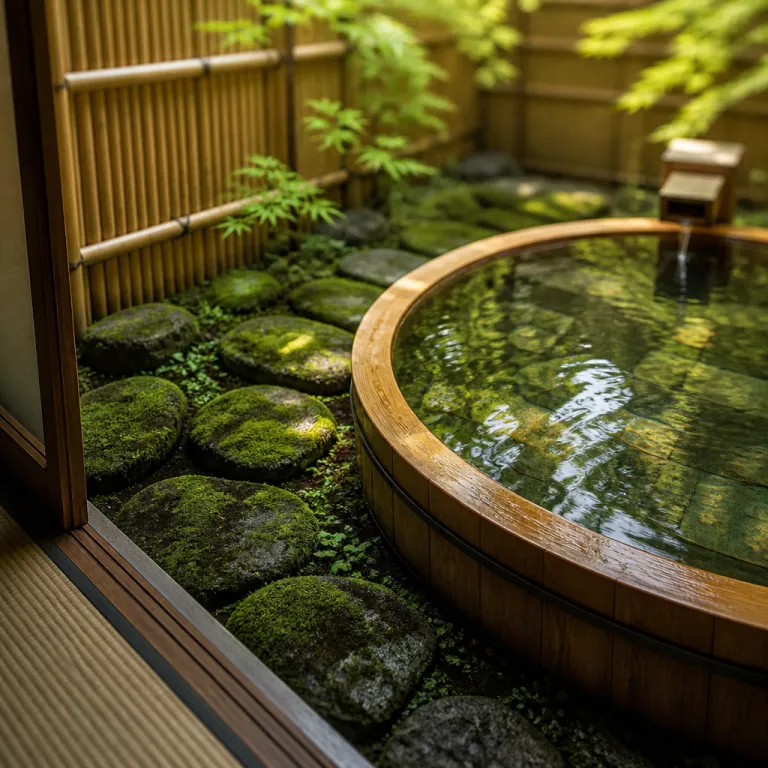
What a private bath really means in a Japanese ryokan
A private bath in a Japanese ryokan is a bathroom or bathing area reserved exclusively for your room, never shared with other guests. In hospitality terms it is equivalent to an en suite, meaning the bath, shower, and toilet connect directly to your sleeping space and remain fully private for the duration of your stay. This matters for people who value quiet, personal bathing rituals and who may feel hesitant about using large shared baths or a traditional onsen with strangers.
When you book a ryokan online, always check whether the room includes a private bath in addition to access to larger communal baths. Some listings mention only access to hot springs or open air baths, which can sound luxurious yet still refer to shared facilities rather than a private open tub attached to your style room. Clarifying this detail in advance ensures you know whether you will have your own private baths or will rely mainly on the main bathhouse areas.
Many luxury ryokans now combine a classic Japanese style room with a western style sleeping option and a generous private bath area. You might see a cedar or stone bath filled with natural hot spring water, or a deep soaking tub supplied with filtered thermal water instead of direct spring water. At one small ryokan in Hakone, for example, a couple described their cypress tub as “a tiny forest onsen just for us,” with steam drifting past the shoji screens each night. High end properties often provide premium body soap, shampoo, and a thick bath towel alongside a smaller hand towel for use when you walk to any shared bathhouses.
Choosing between shared onsen and a private open air bath
Traditional onsen culture centers on large shared baths where people bathe nude, follow etiquette, and relax together in mineral rich hot water. For some guests this shared experience is part of the charm, while others prefer the intimacy of a private bath where they can control the pace, the silence, and the amount of time spent soaking. Your comfort level with communal bathing, as well as any concerns about tattoos or body image, should guide how you compare room types on a luxury booking website.
Many premium ryokans now offer a decision grid between a private open air bath attached to your room and access only to the main hot spring bathhouse. A private open air bath, sometimes called a private rotenburo, lets you enjoy steaming hot springs in the fresh night air without leaving your style room or carrying more than a hand towel. For a structured comparison of these options, consult a specialist guide such as the private rotenburo versus shared onsen decision grid before finalizing your reservation.
Families and couples often appreciate reservable family bath options, which are small private baths inside the main spa area that can be booked by the hour. These family bath rooms usually feature a deep indoor tub, sometimes with natural hot spring water and sometimes with heated tap water, but always with full privacy once the door closes. A frequent comment in guest reviews is that “the family bath felt like our own mini spa,” especially for parents bathing with young children. If you are shy about entering large open baths or if you have visible tattoos that might be restricted in some bathhouses, a family bath or in room private bath gives you the same hot spring benefits without social stress.
Understanding hot spring water, mineral content, and wellness benefits
Not every hot bath in a ryokan is a true hot spring, so reading the description of the water source is essential. Under Japanese law, a genuine onsen uses natural hot spring water that emerges from underground at a defined temperature and mineral concentration, while some ryokans also offer regular baths filled with heated tap water for guests who prefer milder bathing. Luxury properties often highlight whether they use sulfur rich thermal water, iron heavy mineral water, or gentle alkaline spring water because each composition feels different on the skin.
Before you undress in any bathhouse, look for the onsen analysis card posted near the entrance or washing area. This card lists the spring water source, the temperature at emergence, the mineral balance, and any recommended bathing time limits for people with sensitive health conditions or low blood pressure. For a deeper explanation of how to interpret these details, many seasoned travelers rely on resources such as a guide to reading the onsen analysis card so they can choose between different baths and hot springs with confidence.
Some ryokans pipe pure spring water directly into each private bath, while others blend thermal water with regular water to achieve a comfortable hot temperature. In a private open air bath you may notice the scent of minerals in the air, especially when natural hot springs contain sulfur or iron that release a faint aroma. Whether you soak in large open air baths or in a compact family bath, always rinse thoroughly with body soap before entering the shared water so that all people can enjoy clean, clear baths throughout the day.
Design details that elevate a private bath into a spa level retreat
The most memorable private baths in luxury ryokans feel like compact spa suites, where every element from the bath towel to the lighting has been considered. You might step from a tatami floored Japanese style room into a cedar lined bathing space with a deep stone bath, a wooden stool, and a low shower where you wash before soaking. Sliding doors open to a tiny terrace, turning the tub into an open air bath when the weather is calm and the night air feels cool against the hot water.
High end ryokans often provide both Japanese style and western style amenities so international guests feel at ease. Expect a generous bath towel, a smaller hand towel, quality body soap, and sometimes bath salts designed to complement the mineral water in the tub, along with skincare products that match the spa brand used in the main baths. Some suites include a chilled bottle of sparkling wine near the bath so couples can enjoy a quiet toast while watching steam rise from the hot spring fed water.
Thoughtful ventilation keeps the air fresh even when the bath is very hot, preventing condensation from building up in the room. In some designs the bath sits partially outdoors, creating a semi open air bath where only a screen separates you from the garden and the night sky. This kind of private open layout gives you the sensory pleasure of outdoor bathing while still protecting your privacy from other rooms and nearby bathhouses.
Etiquette, tattoos, and how to enjoy your bathing time fully
Japanese bathing etiquette begins with washing thoroughly before entering any shared baths, whether they are large onsen pools or smaller family bath rooms. Use the provided body soap, rinse completely, and keep your bath towel and hand towel out of the water so the hot springs remain clean for everyone. In a private bath attached to your room you can relax these rules slightly, yet many people still follow them out of respect for tradition and for the quality of the spring water.
Tattoos remain a sensitive topic in some traditional bathhouses, where visible ink can lead to restrictions or requests to use only private baths. If you have tattoos and want to enjoy hot springs without worry, prioritize ryokans that clearly welcome tattooed guests or that offer in room private open air baths and reservable family bath options. A private bath in your own style room lets you soak in natural hot thermal water at any time, without checking posted rules or wondering how other people might react.
Once inside the water, keep your bathing time moderate, especially if the hot spring temperature is above 40 °C. Alternate between the hot bath and a cool air bath on the terrace, sipping water or tea to stay hydrated while you enjoy the changing air and the sound of the garden. Many wellness focused ryokans suggest short sessions of 5 to 10 minutes in the baths, followed by rest in your room, to gain the circulatory benefits of hot springs without feeling light headed.
How to read booking pages and choose the right ryokan room
Luxury booking websites for ryokans vary widely in how clearly they describe private baths, so careful reading pays off. Look for precise phrases such as “in room private bath with natural hot spring water” or “indoor bath only, no hot springs” rather than vague mentions of a spa or baths. If the listing highlights a private open air bath, confirm whether the tub uses true spring water, blended thermal water, or regular heated water so you know exactly what kind of bathing experience you are reserving.
Room type names often indicate whether you will sleep in a Japanese style room with futons or a western style room with beds, and this can affect how the bath is designed. A Japanese style suite may feature a cypress wood tub and shoji screens that open directly to an open air bath terrace, while a western style suite might include a deep stone bath inside a larger bathroom with a separate shower. Some premium plans bundle access to a family bath or private baths in the main spa area, giving you multiple ways to enjoy hot springs beyond the bath in your own room.
When comparing options, consider how much time you realistically plan to spend in the water and whether you prefer quiet solitude or the social atmosphere of larger bathhouses. Guests who value long, unhurried soaks often gain more from paying for a private bath than from extras such as sparkling wine or elaborate room décor. To understand how bathing fits into the wider ryokan experience, including meals, you can read in depth guides such as this analysis of how a kaiseki breakfast reveals a serious ryokan and then match that level of care to the quality of the baths.
Key statistics about private baths and guest expectations
- Surveys of international travelers by the Japan Tourism Agency and regional tourism boards indicate that guests from countries where private bathrooms are standard at home often assume the same level of privacy in ryokans, which helps explain why clear descriptions of private baths on booking pages strongly influence expectations.
- Industry reports from the Japan Spa Association and local hot spring associations show that properties offering rooms with private open air baths typically command a price premium of around 20 to 40 % over similar rooms without private baths, reflecting strong demand for exclusive bathing time.
- Wellness travel briefings from organizations such as the Global Wellness Institute’s “Global Wellness Tourism Economy” series note that spa and hot spring focused trips have grown faster than general leisure travel, pushing ryokans to invest in higher quality mineral water facilities, better air circulation in bathhouses, and more family bath options.
- Aggregated guest feedback on major booking platforms consistently ranks cleanliness of baths, clarity about hot spring water usage, and availability of private baths among the top decision factors when choosing between different ryokans in the same region.
FAQ about private baths in Japanese ryokans
What is a private bath in a ryokan ?
A private bath is a bathroom not shared with other rooms. In a ryokan this usually means a dedicated tub and washing area attached directly to your room, sometimes supplied with natural hot spring water. You can bathe at any time without encountering other guests or following shared bathhouse schedules.
Is a private bath the same as an en suite ?
Yes, both terms refer to a bathroom exclusive to a room. In practice, ryokans may use either expression on booking pages, but both indicate that your bath and toilet are not shared with other people.
Do all ryokan rooms include a private bath ?
Most modern ryokan and hotel rooms have private baths, but some budget accommodations may offer shared bathrooms. Traditional ryokans sometimes provide only shared onsen baths for standard rooms, while suites and premium categories add in room private baths or private open air tubs.
Can guests with tattoos use onsen and bathhouses ?
Policies on tattoos vary by property, and some bathhouses still restrict visible ink in shared baths. Guests with tattoos often choose rooms with private baths or reserve a family bath to enjoy hot springs without concern about local rules. When in doubt, check the ryokan policy in advance or select a tattoo friendly property.
How long should I stay in a hot spring bath ?
Most wellness guidelines suggest short sessions of 5 to 10 minutes in very hot springs, followed by rest and hydration. People sensitive to heat or with cardiovascular conditions should consult a doctor and choose milder baths or thermal water that has been cooled. Alternating between the hot bath and the cool outside air helps many guests enjoy longer overall bathing time comfortably.