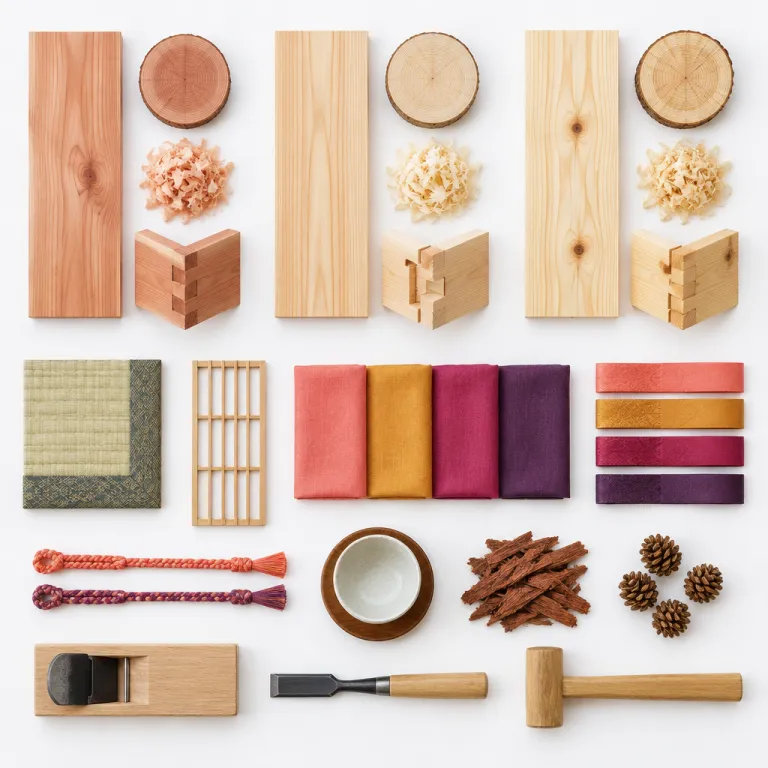
Reading ryokan wood architecture hinoki sugi before you check in
Step into a refined ryokan and the story starts with the wood. Before the okami greets your family, the palette of hinoki, sugi, and pine has already signaled budget, ambition, and regional pride. Learning to read these traditional Japanese materials turns every arrival into a quiet masterclass in architecture and hospitality.
In Japan, timber is not a neutral backdrop but a cultural code. From Kyoto townhouses to mountain homes in Nagano, the choice between hinoki, sugi, and red pine tells you how the building will age in Japan’s humid climate and how the owners think about maintenance over years. A premium family choosing a stay can use this language of wood to separate marketing gloss from genuine traditional craftsmanship.
Hinoki Japanese cypress is the prestige material construction in the ryokan world. Its pale tone, smooth texture, and subtle citrus scent define the most elevated bath corridors and inner sanctums of high end properties. When the wood architecture is handled with care, you feel it instantly in the calm light, the quiet underfoot, and the way each room seems to breathe.
Look first at the entrance engawa and the main room beams. Thick, knot free wood hinoki with visible grain and minimal staining usually signals serious investment in natural materials rather than cheaper laminates. If you see sugi Japanese cedar with a warm reddish brown hue on ceilings and sliding doors, you are likely in a property balancing cost and beauty with care. Reading these choices lets you predict how the bath, corridors, and shared lounges will feel long before you see your futon.
Hinoki: the prestige japanese cypress that defines serious ryokan intent
Hinoki, the revered Japanese cypress, has anchored sacred architecture in Japan since ancient times. The rebuilding of Ise Jingu, the country’s most important Shinto shrine, relies on carefully selected hinoki logs whose properties hinoki experts evaluate over many years. When a ryokan chooses hinoki Japanese cypress for key spaces, it is aligning itself with that same lineage of precision and respect.
In a luxury property, you will often find wood hinoki framing the inner garden, lining the corridors, or shaping the hinoki buro, the deep soaking tub whose scent many travelers now associate with Japanese hospitality itself. That fragrance comes from natural oils in the wood, which also contribute to natural resistance against mold in Japan’s humid coastal and mountain regions. Studies on hinoki essential oil have documented mild antimicrobial and deodorizing effects, which traditional carpenters have long relied on in bath design.
Hinoki’s technical properties matter as much as its beauty. The wood has gentle natural resistance to water and bacteria, which is why traditional Japanese bath designers still favor it for soaking tubs and wet area cladding. In family friendly ryokan, this means a hinoki buro can stay warm to the touch, non slippery, and subtly aromatic even after many years of daily use.
Pay attention to where hinoki appears and where it does not. Full hinoki wooden floors in guest corridors and the main room are a strong signal of a high budget build, while a single hinoki bath in an otherwise composite bathroom suggests a more targeted investment. For a deeper dive into how such traditional craftsmanship shapes entire buildings, the piece on Japanese minka elegance and ryokan shaped by traditional craftsmanship offers useful context for reading these choices.
Sugi and cedar: the workhorse woods that shape most ryokan experiences
If hinoki is the headline act, sugi and other cedar species are the ensemble that quietly carries most ryokan architecture. Sugi Japanese cedar has been the default material construction for rural homes, townhouses, and mid range inns across Japan for centuries. Its lighter weight, generous trunk size, and expressive grain make it ideal for beams, ceilings, and sliding doors where cost and character must balance.
In Kyoto, Kitayama sugi is famous for its straight, slender logs, often used as decorative columns in tearooms and refined ryokan lobbies. Farther north, Akita sugi and Yoshino sugi give mountain properties a different tone, sometimes deeper and more reddish brown, sometimes paler and more silvery as the years pass. When you walk into a ryokan and see cedar sugi pillars with visible knots and a warm glow, you are usually looking at a house that leans into regional identity rather than anonymous global luxury.
Japanese cedar has different properties from hinoki, and you can feel them underfoot. Cedar wooden floors are slightly softer, warmer, and more forgiving for children running between tatami rooms and the bath, though they dent more easily than the denser Japanese cypress. In a family context, that softness can be a virtue, making playtime in the room feel more relaxed and less museum like.
Look for how the ryokan uses sugi in relation to light and air. Cedar ceilings paired with shoji screens can create a diffuse, honeyed light that flatters skin and calms overstimulated travelers, especially after long journeys with children. For a more detailed vocabulary of how these elements work together in a room, the guide to reading a ryokan room through shoji, tokonoma, and engawa is a valuable companion to your next booking.
Pine, adaptive reuse, and what aging timber reveals about care
Red pine and other pine species bring a different energy to ryokan wood architecture hinoki sugi compositions. Where hinoki is refined and cedar sugi is versatile, pine is rustic, with visible knots, resin pockets, and a more casual character that suits mountain lodges and adaptive reuse projects. When you see exposed pine beams in a former farmhouse turned ryokan, you are often looking at a deliberate choice to preserve the memory of older homes rather than erase it.
In many regions of Japan, especially where forestry shaped local economies, pine has long been a practical material construction for roofs, rafters, and secondary structures. Its properties are less naturally resistant than hinoki or Japanese cedar, so attentive maintenance becomes part of the story. Families booking a stay in such properties should read the condition of the wood as a proxy for overall care, from the bath hygiene to the futon ceremony.
Adaptive reuse ryokan often combine original pine or sugi structure with new hinoki buro installations and upgraded natural materials in key guest areas. This mix can be deeply satisfying when done with respect for traditional Japanese architecture, allowing you to feel both the weight of ancient times and the comfort of modern plumbing in the same room. If you are curious about how these transformations work in practice, the feature on adaptive reuse and Japan’s next ryokan generation unpacks several thoughtful examples.
Age tells its own story across all these woods. A new hinoki bath will smell almost intoxicating, while a thirty year old tub will have a gentler, drier scent and a deeper golden tone, hinting at renovation cycles and investment patterns. Sugi paneling that has mellowed from bright reddish brown to a soft caramel suggests decades of sunlight and careful cleaning, whereas blackened, warped boards in Japan’s humid climate may indicate deferred maintenance that could affect everything from insulation to indoor air quality.
How wood choices shape family comfort, light, and daily rituals
For a premium family, the most important question is simple: how will this architecture feel to live in for several days ? Ryokan wood architecture hinoki sugi decisions shape that experience hour by hour, from the first barefoot step onto wooden floors to the last late night walk to the bath. Understanding these materials lets you predict comfort levels with more accuracy than any marketing photo.
Hinoki and Japanese cedar both interact with light in subtle ways. Pale hinoki reflects soft morning light into the room, making early breakfasts on low tables feel calm and unhurried, while darker cedar sugi ceilings can create a cocooning effect that suits evening kaiseki and quiet story time with children. In both cases, the smooth texture of well finished wood invites touch, which matters when small hands are constantly exploring surfaces.
Humidity is another hidden dimension. In Japan’s humid summers, natural materials like wood hinoki and sugi Japanese cedar help regulate moisture, absorbing and releasing it in a way that keeps rooms more stable than synthetic panels. This natural resistance to rapid swings in humidity can make tatami feel drier underfoot and futons more comfortable at night, especially for families sensitive to stuffy air.
Daily rituals revolve around the bath, and here the material construction is especially revealing. A hinoki buro lined with Japanese cypress staves will feel warmer and more fragrant than a tiled tub, encouraging longer, more restorative soaks for parents while children play nearby. Even when the bath itself is not hinoki, details like cedar benches, sugi log stools, and red pine shelves for amenities contribute to a coherent sensory experience that signals thoughtful design rather than cost cutting.
Practical booking cues: what to ask, what to look for in photos
Translating this knowledge into booking decisions starts with reading between the lines of property descriptions. When a listing mentions ryokan wood architecture hinoki sugi elements, look for specifics such as “hinoki cypress bath”, “Yoshino sugi beams”, or “Kitayama cedar columns” rather than vague references to natural materials. Precise language usually reflects a team that understands and values traditional Japanese architecture rather than using it as a loose marketing term.
Photos reveal even more. Zoom in on the joinery where beams meet pillars, and check whether the wood grain of hinoki, sugi, or red pine is visible or buried under thick varnish that negates the properties hinoki and cedar are prized for. In family rooms, look for continuous wooden floors in circulation areas, which are easier for children to navigate than a patchwork of tile, carpet, and synthetic panels.
Do not hesitate to ask direct questions before you book. You can request clarification on whether the private bath is made from Japanese cypress or simply framed by hinoki colored laminate, or whether the main room uses real Japanese cedar or engineered wood with a printed grain. Clear, confident answers are a strong sign that the ryokan takes its material construction seriously and understands how these choices affect guests over many years.
Finally, remember that wood is part of a broader ecosystem of design, service, and setting. A modest property with honest sugi Japanese cedar and well maintained pine can offer a more authentic, restful stay than a glossy complex with anonymous materials and little sense of place. When you learn to read the timber, from the reddish brown glow of aged cedar sugi to the pale sheen of fresh hinoki buro staves, you give yourself a reliable compass in a crowded booking landscape.
FAQ
How can I tell if a ryokan bath is real hinoki or an imitation ?
Real hinoki Japanese cypress in a bath usually has a pale, slightly creamy color, visible straight grain, and a gentle citrus like scent when the water is hot. If the surface looks perfectly uniform, very glossy, or has no scent at all, it may be a laminate or another wood stained to resemble hinoki. Asking the property whether the tub is solid wood hinoki or simply framed with hinoki colored panels is the most reliable way to confirm.
Is sugi cedar good enough for a luxury ryokan stay with children ?
Japanese cedar, especially regional varieties like Yoshino sugi or Kitayama sugi, is entirely compatible with a luxury experience. Sugi wooden floors and ceilings are slightly softer and warmer than denser woods, which can be more comfortable and forgiving for families with young children. The key is not the species alone but how well the cedar is detailed, finished, and maintained.
Does older wood in a ryokan mean the building is unsafe or uncomfortable ?
Age by itself is not a problem in Japanese architecture, where many temples and homes have stood for centuries. What matters is the condition of the hinoki, sugi, or pine, and whether there are signs of rot, warping, or neglect in Japan’s humid climate. Well maintained older timber, with a mellow tone and intact smooth texture, often indicates careful stewardship and can feel more atmospheric than brand new construction.
Which wood type should I prioritize if I want a strong traditional feel ?
If you want a classic traditional Japanese atmosphere, look for a combination of hinoki Japanese cypress in the bath areas and Japanese cedar or sugi in the main room structure. Hinoki in a hinoki buro or wet zones brings the sacred association of ise jingu and other temples, while cedar sugi beams and columns echo the feel of historic homes. Pine can add rustic charm, but hinoki and sugi together usually deliver the most archetypal ryokan mood.
Are domestic woods like hinoki and sugi more sustainable choices ?
Most hinoki, sugi, and Japanese cedar used in ryokan construction comes from managed forests within Japan, where replanting and long term planning are standard practice. Choosing a property that highlights domestic natural materials rather than imported tropical hardwoods generally supports shorter supply chains and local forestry economies. When in doubt, you can ask the ryokan whether its main structural and interior woods are sourced from Japanese forests and how often they renovate or replace key elements like baths and floors.