Reading a ryokan through its japanese garden niwashi design
The garden is the first sentence in a ryokan’s story. In a property shaped by thoughtful ryokan japanese garden niwashi design, every stone, pine and ripple of sand signals how seriously the inn treats hospitality. When you are choosing where to book, learning to read these japanese gardens turns a casual glance into a precise quality check.
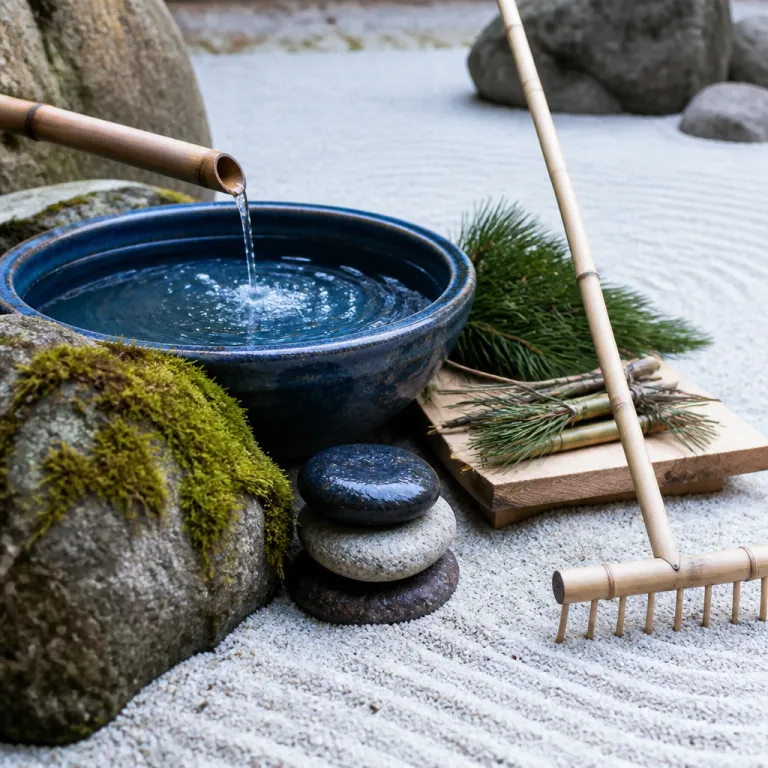
Start with the moss under your feet or just beyond the engawa, because moss maintenance is the quiet KPI of garden Japan and of the inn’s wider operations. A ryokan that keeps moss lush in a traditional garden is paying for constant niwashi work, careful watering and shade management over a long time, and that willingness to invest usually extends to futon quality, kaiseki ingredients and staff training. If the moss is patchy, the gravel un-raked and the garden design feels neglected, you can assume other invisible systems are also running on minimum effort.
Look next at how the landscape sits against the architecture, since a well Japanese property uses its garden as a hinge between house and nature. In Kyoto, a small inner courtyard can hold a beautiful garden that feels larger than life because the shoji and verandas frame it like art. In rural Japan, a larger landscape designer might have shaped a more expansive garden formal composition, but the same rules apply ; the best ryokan japanese garden niwashi design always balances stone, water, planting and empty space with deliberate restraint.
For a solo person traveling between Tokyo and Kyoto, this reading skill becomes a practical booking tool. When you arrive and see a garden well maintained, with pruned pines, clean water basins and gravel that shows the rake marks of recent work, you know the niwashi has visited recently. When the landscape looks tired, with ancient Japanese stone lanterns leaning awkwardly and contemporary garden lighting installed without sensitivity, you can expect a more western, transactional style of service inside.
Tsuboniwa in Tokyo and Kyoto: small gardens, serious signals
Urban ryokan compress their ambitions into tsuboniwa, the tiny courtyard japanese gardens that sit between guest rooms and the city. In Tokyo, a three square meter japanese garden can feel like a private landscape if the niwashi has mastered proportion, shadow and sound. That is where ryokan japanese garden niwashi design becomes almost architectural, turning a sliver of space into a complete world.
Pay attention to how these small gardens handle modern times, because the best ones fold contemporary garden elements into traditional garden grammar. A single maple, one stone basin and a carefully placed lantern can create a garden formal composition that feels timeless, while a clutter of pots and solar lights usually signals a lack of garden culture and professional guidance. When you see style gardens that respect japanese style principles even in miniature, you are usually looking at a ryokan that also respects the choreography of the tea tray and the timing of the bath.
Light is the niwashi’s secret tool in these spaces, and it tells you a lot about the inn’s design intelligence. If the tsuboniwa is lit from below with harsh, western style spots, the garden becomes stage décor rather than living art. When the lighting is soft, indirect and placed to graze stone and foliage, the japanese gardener is treating the garden as a piece of night landscape art, and that sensitivity often echoes in the way staff move and speak.
To understand how these micro gardens connect with the room itself, it helps to learn the vocabulary of shoji, tokonoma and engawa through a specialist guide such as a detailed ryokan room vocabulary primer. Once you can read the room and the garden together, you start to see how every person involved in the inn’s work is aligned around a single aesthetic. That is when ryokan japanese garden niwashi design stops being background scenery and becomes a reliable indicator of how your whole stay will feel.
Shakkei and the view from the bath: the niwashi’s true canvas
The most honest test of a ryokan’s landscape design is the view from the bath. When you slide into an indoor tub or rotenburo and the frame of the window or bamboo fence captures a composed japanese garden, you are seeing ryokan japanese garden niwashi design at its most intimate. This is not the public face by the entrance ; it is the private canvas reserved for guests who have already committed to stay.
Shakkei, or borrowed scenery, is where the niwashi and the architect collaborate over long time horizons. In Kyoto, a hillside ryokan might align its outdoor bath so that a distant temple roof or forested slope becomes part of the garden design, turning a modest foreground of rocks and pines into a layered landscape. In mountain regions of Japan, a landscape designer may use a single framed view of snow covered peaks as the focal point, letting the foreground remain almost empty so that the borrowed landscape does the work.
When you are comparing properties on a luxury booking site, look for photos taken from the bath rather than of the bath. If the view shows a beautiful garden with clear structure, seasonal planting and a sense of depth, you can infer that the japanese gardener has been given real authority over the project. If the bath looks out onto a wall, a parking lot or a tangle of unplanned gardens, the ryokan has missed the chance to turn bathing into art and has probably compromised in other areas too.
Architecture shaped by traditional craftsmanship tends to integrate garden Japan more deeply, and you can see this clearly in properties influenced by minka aesthetics and carpentry, as explored in guides to traditional minka style ryokan. In these houses, the engawa, pillars and rooflines are all positioned so that japanese gardens read like painted scrolls from key vantage points. When that level of coordination exists between building and garden, ryokan japanese garden niwashi design becomes a central part of the inn’s identity rather than an afterthought.
Season, schedule and the quiet calendar of the niwashi
What you see in a ryokan garden is always a snapshot of a longer maintenance story. A japanese garden that looks perfectly composed in early spring may feel slightly wild by late summer, not because the niwashi has failed but because pruning, sweeping and moss care follow a precise seasonal calendar. Understanding this rhythm helps you judge whether a garden is in transition or genuinely neglected.
In many parts of Japan, pines are wired and pruned in winter, maples are shaped after leaf fall and moss is refreshed during the rainy season, so the same garden design will present different faces across the year. When you arrive and notice that the gravel still holds the crisp lines of a rake, the stepping stones are free of debris and the water basins are clear, you are seeing the traces of recent work rather than a one off clean for photographs. A garden well maintained over long time periods will show subtle signs of continuity, such as lichen on lanterns and mature, healthy shrubs that have clearly been guided rather than hacked.
For a solo traveler using a premium booking platform, this means reading the garden against the season and the likely maintenance schedule. If you visit Kyoto in peak maple season and the inn’s japanese gardens show thoughtful thinning of leaves to reveal trunk structure, you are in the hands of a japanese gardener who understands both plant health and visual art. If you arrive in modern times when climate patterns are shifting and still see a traditional garden that feels resilient rather than stressed, you can credit a niwashi who has adapted ancient Japanese techniques to contemporary garden realities.
This seasonal sensitivity also connects to the broader question of why some ryokan rooms feel instantly calm, a topic explored in depth in analyses of ma and the role of empty space. The same respect for negative space that shapes a tatami room also shapes the surrounding gardens, where gaps between stones, open gravel and unplanted corners are as important as the plants themselves. When ryokan japanese garden niwashi design treats time and emptiness as materials, you can expect a stay that feels quietly restorative rather than merely picturesque.
The niwashi shortage and what it means for your booking choices
Behind every refined ryokan garden is a niwashi whose skills took decades to form. As with tatami makers and earthen plaster artisans, many japanese gardeners are aging, and fewer young people are entering the trade. This niwashi shortage is already reshaping which inns can sustain high level ryokan japanese garden niwashi design over the next generation.
Properties near major centers such as Tokyo and Kyoto often compete for the same small pool of master gardeners, which means their work schedules are booked long in advance. When a ryokan can secure regular visits from a respected landscape designer, you will usually see it proudly mentioned in the property’s story, sometimes alongside references to gardens published in specialist magazines or classic gardens books. In more remote regions of Japan, some inns are training in house teams to handle routine maintenance, reserving the master niwashi for structural pruning and major redesigns.
For guests, this shift makes the garden an even more important filter when choosing where to stay. A ryokan that continues to invest in traditional garden care, even as costs rise, is signaling a commitment to culture, history and long term quality that goes far beyond surface level modern décor. When you see japanese style gardens that balance contemporary garden touches with deep respect for garden culture, you are looking at an inn that understands its role as a steward of living art rather than just a place to sleep.
On a practical level, treat the garden as you would a carefully edited book about the house and its values. Notice whether the landscape feels coherent from entrance to bath, whether the art of pruning supports the architecture and whether the overall composition feels both ancient Japanese in spirit and comfortable in modern times. If the answer is yes, you can book with confidence, knowing that the same care shaping the stones and pines is likely shaping every other aspect of your stay.
FAQ
How can I quickly judge a ryokan garden when I arrive ?
Look first at the moss, gravel and water features, because they reveal how recently the niwashi has worked. Healthy moss, crisp rake lines and clean basins indicate ongoing care rather than a one time clean. If those basics are strong, the rest of the ryokan japanese garden niwashi design is usually reliable.
Does a small urban garden matter as much as a large countryside one ?
Yes, a tiny tsuboniwa in Tokyo or Kyoto can tell you as much about quality as a sprawling rural landscape. In small japanese gardens, proportion, light and planting choices are unforgiving, so weak design shows immediately. A well composed courtyard suggests the inn values precision in every part of the guest experience.
What should I look for in the view from the bath ?
From the tub, check whether the window or fence frames a deliberate japanese garden scene rather than leftover space. A composed view with layered planting, stone placement and perhaps shakkei of distant landscape shows that the niwashi and architect planned together. A view of walls, cars or clutter usually signals compromised priorities.
Are modern elements in a ryokan garden a bad sign ?
Modern features are not a problem when they respect traditional garden culture and proportions. Discreet lighting, subtle contemporary materials and restrained sculpture can sit comfortably within japanese style compositions. Trouble starts when western style décor overwhelms the plants and stones, turning the garden into theme park scenery.
Why do some ryokan highlight their gardeners by name ?
When an inn works with a respected japanese gardener or landscape designer, naming them is a mark of pride and transparency. It signals that the property sees its garden as serious cultural work rather than decoration. For guests, that credit line is a strong indicator of sustained investment in authentic ryokan japanese garden niwashi design.